Steady Flow Heating and Cooling
Working to provide Utah residents with affordable comfort solutions.
Service
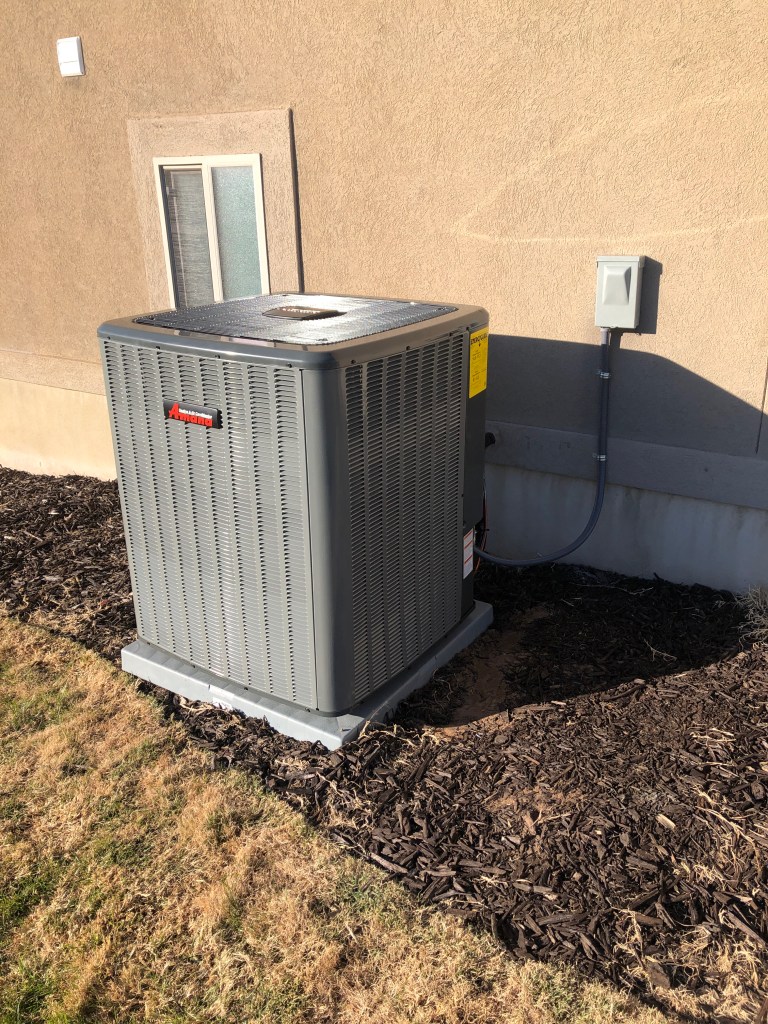
We identify the problem to get your home comfortable again, giving priority to winter time no heat calls.
Installation
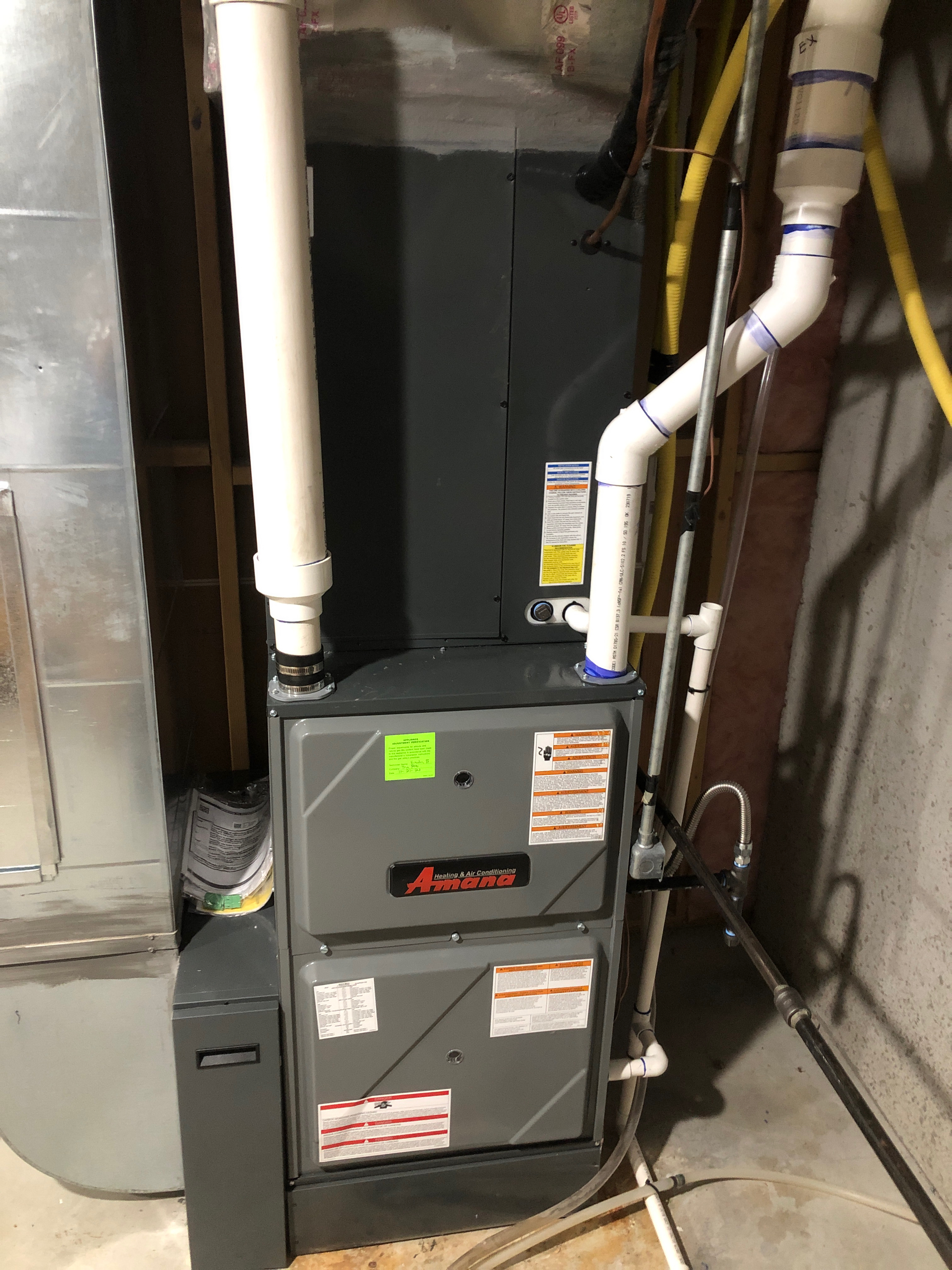
We install efficient equipment from a large variety of manufacturers and size it to ensure that your home stays the perfect temperature without short-cycling.
Construction
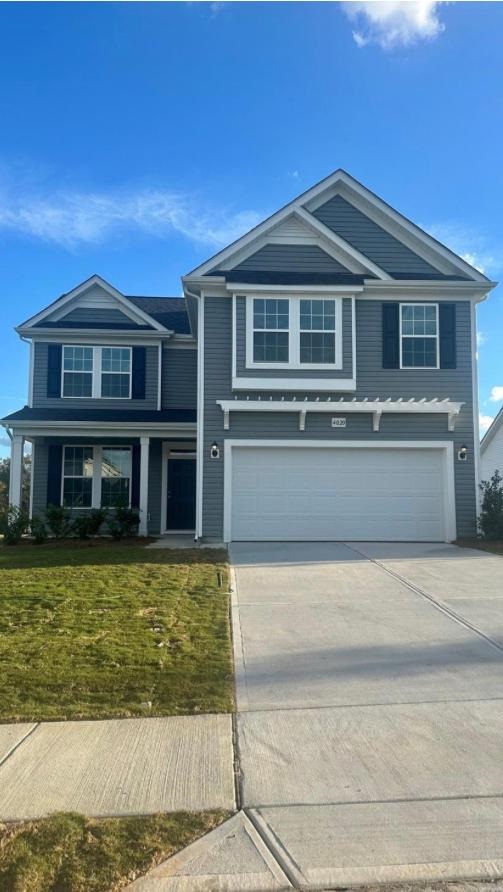
Building or remodeling? We design and build the perfect ductwork for your needs and set up and tune your equipment keeping up to all local building codes.
Contact us
For inquires or to schedule a consultation, feel free to contact us. We’re here to answer all your questions and provide expert guidance on all of your heating and air conditioning needs.
info@steadyflowheating.com
Call or text even after hours
(385)254-5713
Opening Hours
Mon-Sat
7 am — 5 pm
Sun
Closed
High vs. low efficiency gas furnaces
Low efficiency: This type of furnace mixes air and gas at the right ratio for combustion, after which the burning air/fuel mixture is routed through a heat exchanger and has your air blow across it, removing heat from the furnace and placing heat into your ductwork to be distributed throughout the home. Down flow of the heat exchanger, the exhaust gas is expelled through a galvanized steel pipe which is often connected with your water heater vent and is vented out the roof. Typically on this furnace only 80% of the heat is transferred to your ductwork, and the other 20% is wasted as hot exhaust gas.
High efficiency: High efficiency furnaces run like the low efficiency but with extra steps. After the burning gas flows through your heat exchanger, it is rerouted through a secondary heat exchanger, transferring even more heat into your ductwork, before entering the exhaust pipe. This exhaust pipe will be a plastic PVC pipe which will stay much cooler than a low efficiency exhaust and will be capable of handling the water which will be forming inside the exhaust as a biproduct of combustion. High efficiency furnaces also must have a drain for running in heating mode, and a place to drain which will not freeze. Typically on this furnace 90-97% of the heat is transferred to your ductwork and the rest is wasted as hot exhaust gas, which equals energy savings. Upgrading a low efficiency furnace to a high will include more labor in order to install the correct intake, exhaust, and drain pipes.
Single stage vs. 2 stage gas heat.
Single stage: A single stage gas furnace has only one heating intensity and blower speed. For example, a 65,000 BTU furnace will always run at 65,000 BTU’s.
2 stage: A 2 stage gas furnace will begin each heat call from the thermostat at a lower intensity and blower speed. It will run in this first stage for 8-15 minutes, after which it kicks into high stage for the rest of the heat call until the thermostat is satisfied. For example, a 65,000 BTU 2 stage furnace may run at 45,000 BTU’s for the first 8-15 minutes and then at 65,000 BTU’s for the remainder of the heat call. A 2 stage furnace allows for a more slow and steady heating of the house, fewer heat calls and therefore no short-cycling, and a more even heating of the house. This also allows for a longer lifetime of the furnace, as the heat exchanger has fewer times to heat up and cool down.
 Site Title